Residential / Developer Strategy
The Future of Smart Apartments in U.S. Multifamily Development
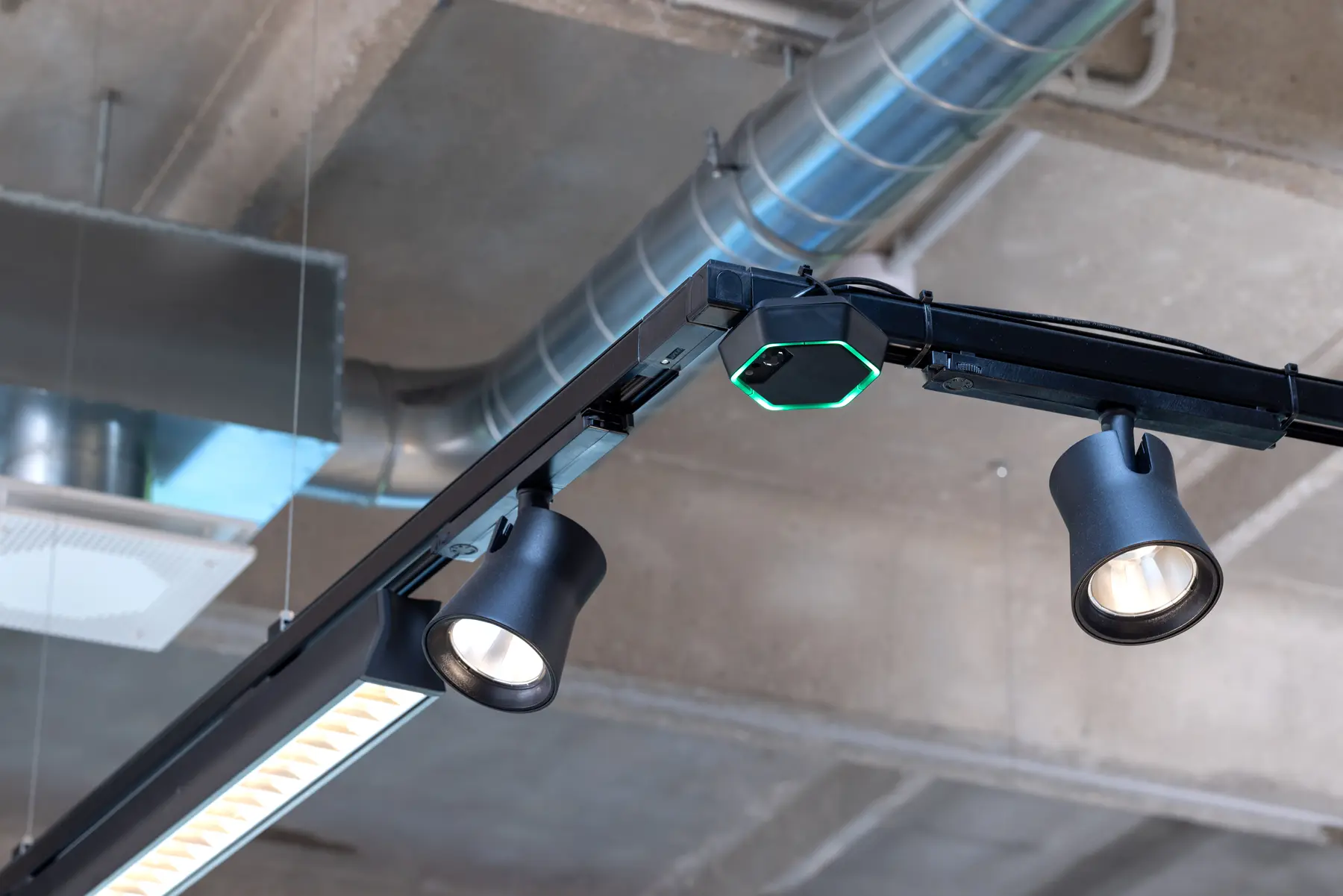
The next generation of smart apartments will be less about individual gadgets and more about building-wide infrastructure. Developers should be thinking about HVAC, lighting, access, energy, data, and operations as one connected system.
The Smart Apartment Is Growing Up
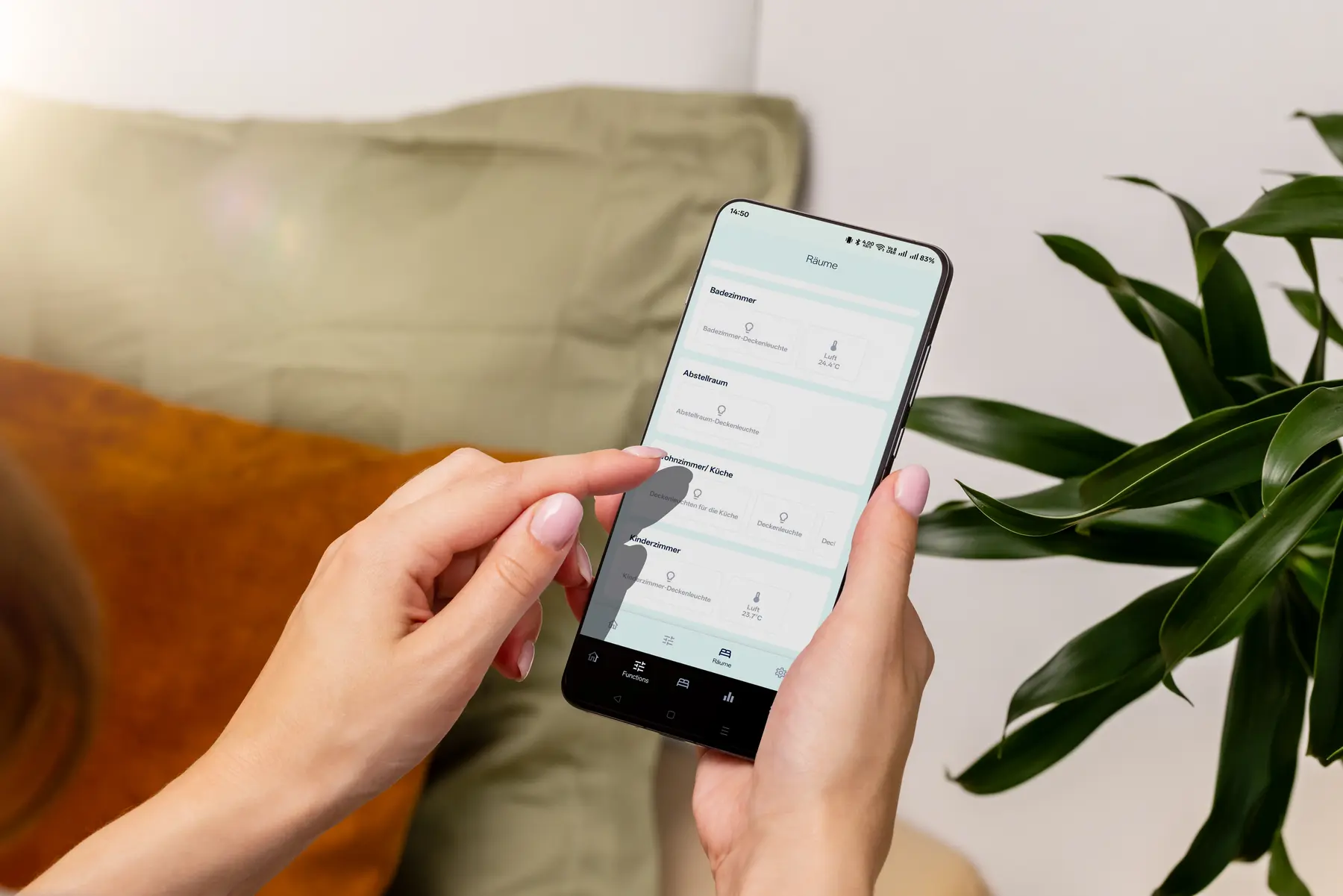
For much of the last decade, "smart apartment" has meant consumer technology added to a conventional apartment. A smart thermostat. A connected lock. An app-controlled light. Perhaps a video doorbell or smart shade. These devices can create useful resident amenities, but they do not necessarily create a smart building. The next phase of multifamily automation is fundamentally different. Instead of starting with individual gadgets, developers can design intelligence into the building itself.
HVAC, lighting, access, sensors, metering, common areas, and building management can become components of one coordinated infrastructure. That changes the business case. Smart technology stops being only a resident amenity and becomes part of how the property is constructed, commissioned, operated, maintained, and eventually upgraded.
One Apartment Is an Amenity. Five Hundred Apartments Are Infrastructure.
Installing a smart device in one apartment is relatively simple. Deploying and supporting technology across hundreds or thousands of apartments is an operational problem. Who provisions every device? Who knows what is installed in Unit 14C five years later? What happens when residents move? How are software updates managed? Can building management see HVAC conditions without entering apartments? Can the owner compare energy performance between properties?
Can one building be operated using the same standards as the next? Those questions become more important than whether a thermostat has an attractive mobile interface. At portfolio scale, standardization matters more than novelty.
Smart Apartments Should Start With the Building
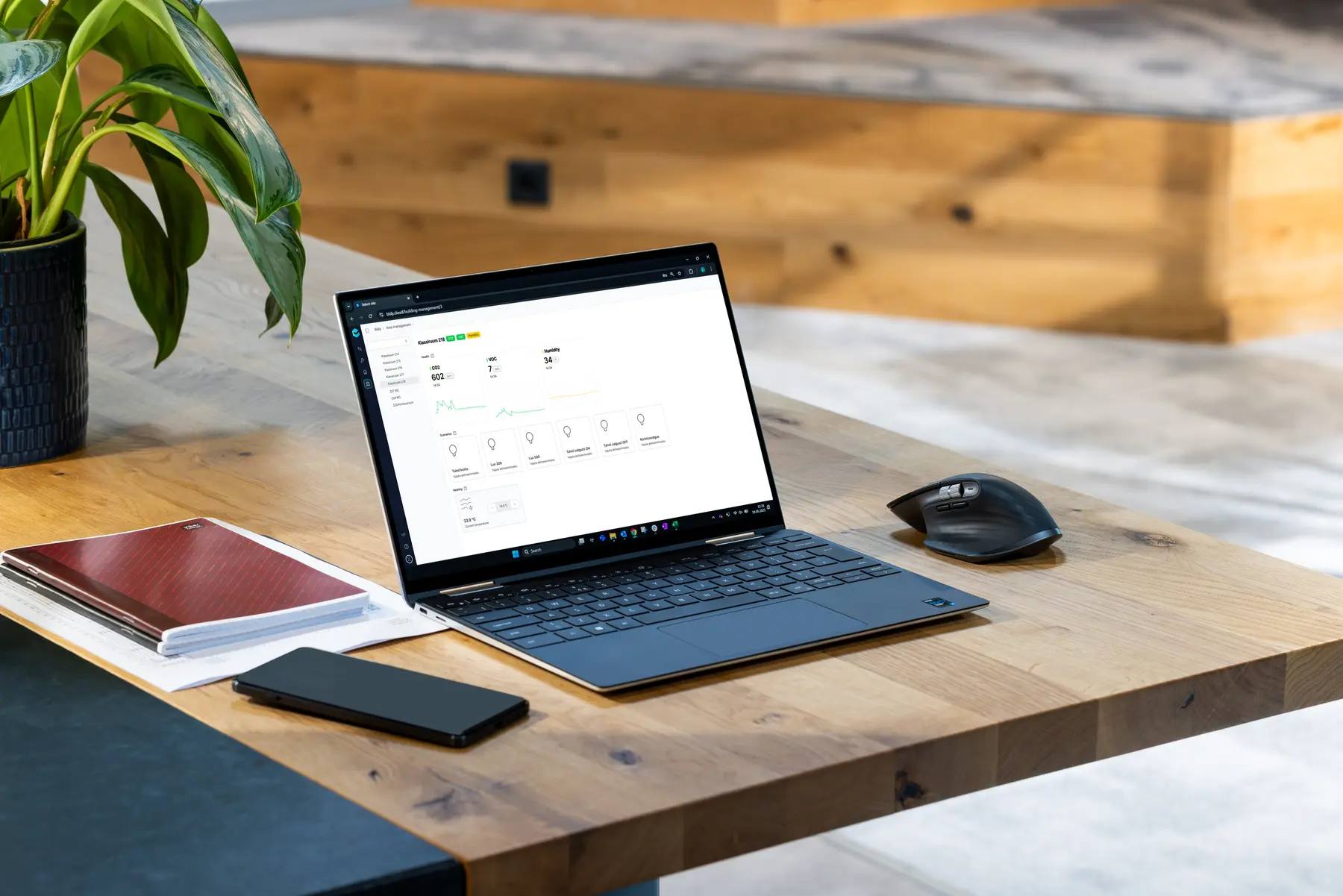
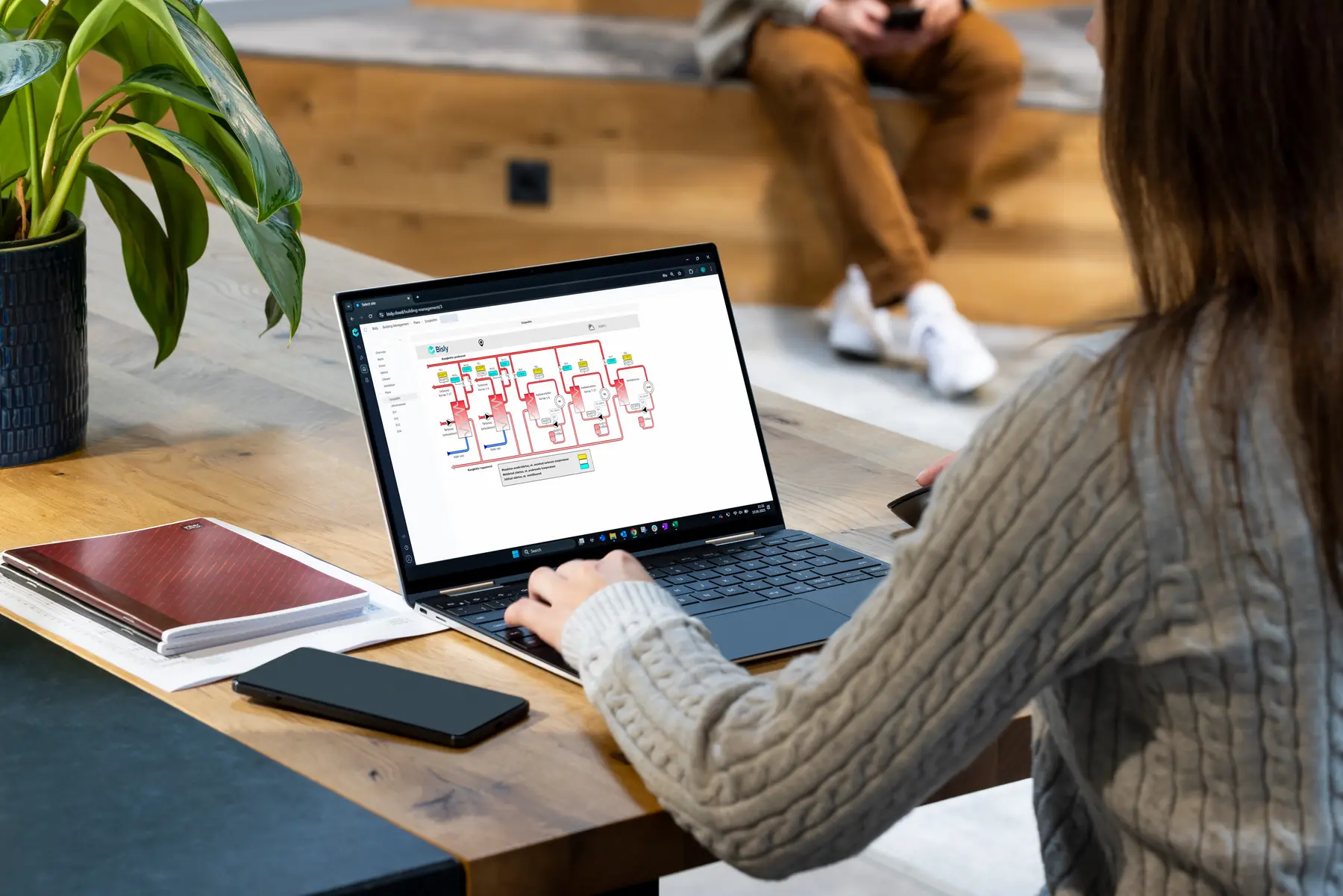
A more durable architecture begins with the building rather than the resident. Bisly approaches multifamily automation as a whole-building platform. Apartment HVAC, lighting and shading, access, metering, common areas, and building-management functions can exist within the same system. Residents can still receive the conveniences normally associated with smart-home technology. But behind that experience is infrastructure designed for professional building operation. That creates two layers of value. The resident gets simplicity and comfort.
The owner gets visibility, control, standardization, and a system that remains with the property after the resident moves out.
Continue reading: planning intelligent infrastructure.
The Digital Twin Connects Design to Operations
One of the most important changes in building automation is happening before construction is even complete. A digital representation of the building can now be used not merely for drawings or visualization, but as part of the operating system itself. With Bisly, the digital twin begins during system configuration. Rooms, devices, functions, and automation requirements are established before equipment is installed. That same model is then used during installation, commissioning, and operation.
This continuity matters because one of the persistent problems in real estate technology is information loss between project phases. The architect has one model. The MEP engineer has another. The contractor has drawings. The controls integrator has a point list. The owner receives closeout documents. The facility manager eventually inherits whatever remains. A persistent operational model reduces those handoff gaps.
The Smart Apartment Will Become More Invisible
The best building automation may eventually be the technology residents think about least. A comfortable apartment should not require constant adjustment. Lighting should respond naturally. Ventilation should operate when required. Access should be simple. Energy consumption should be understandable. Building staff should be alerted to problems before they become resident complaints. The objective is not to give occupants more things to control. It is to make the building respond better.
That is an important shift from connected devices toward automated environments.
Energy Will Become a Bigger Part of the Resident Experience
Energy is also changing the smart-apartment equation. Electrification, heat pumps, EV charging, building-performance standards, distributed energy resources, storage, and increasingly dynamic electricity markets will make building operations more complex. A conventional thermostat knows little about the rest of the property. A building automation platform has the potential to coordinate much more. When apartments, common areas, HVAC equipment, metering, and other systems share a common architecture, owners gain a better foundation for energy optimization.
Residents can also receive better visibility into their own consumption. That makes automation relevant not only to comfort, but to future operating cost.
Owners Should Think Beyond the First Five Years
Multifamily developments are long-lived assets. Technology decisions should reflect that. A product that looks impressive during lease-up may create operational problems if it depends on multiple unrelated cloud services, proprietary gateways, abandoned consumer devices, or separate management interfaces. Developers should ask:
- Who owns and maintains the system?
- Can hardware be replaced without rebuilding the architecture?
- Can configurations be updated remotely?
- Can building staff manage multiple properties consistently?
- Does the system continue operating if an internet connection is interrupted?
- Can new capabilities be added later?
- Is operational data structured in a way that remains useful to the owner?
These are infrastructure questions, not gadget questions.
The Future Is Building-Wide
The most consequential smart-building decision may therefore happen before anyone chooses the apartment thermostat. It is the decision to create a common automation architecture across the property. That architecture can support today's requirements while giving the building a foundation for whatever comes next. The future smart apartment is not a collection of smart products. It is one part of an intelligent building.
Continue reading: energy monitoring across a portfolio.
Build for the resident. Design for the asset.
IBIS Group USA works with U.S. developers and delivery partners to implement Bisly's whole-building automation platform across multifamily developments.